Free · no signup · no tracking
The right brake pads for how you actually drive.
Five questions about your car, your driving and what annoys you. We match them against 31 rated pad compounds, from silent commuter ceramics to endurance race pads, and state every trade-off.
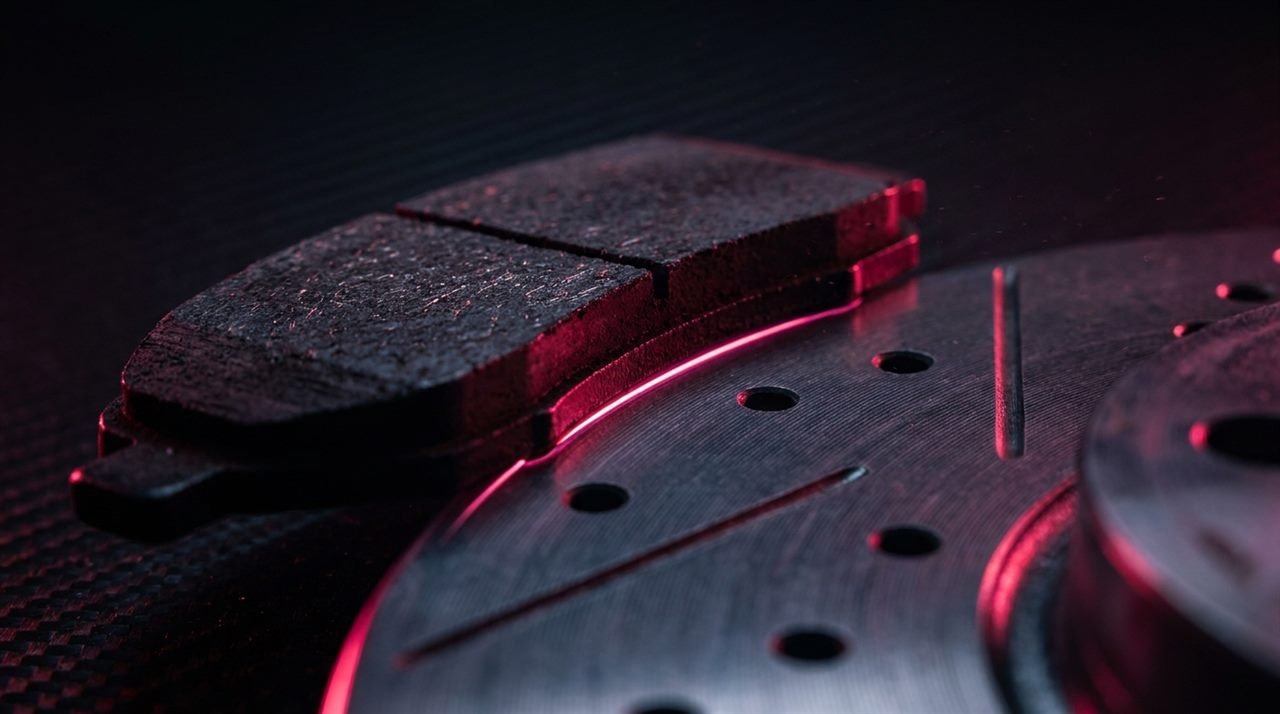
01 /// The finder
Five questions. One honest answer.
No fitment guesswork, no brand bias — we match the compound character to your driving, then you confirm exact fitment in the maker's catalog.
02 /// Your match
Built for your driving.
Partner links are marked. They never change the scores or the order. How this site earns.
Also worth a look
Ratings are brakepadfinder.com's editorial synthesis of manufacturer data, temperature specs and long-term community consensus. They describe each compound's character, not a lab test. Always confirm exact fitment for your year, model and trim in the manufacturer's catalog before buying. Braking is safety-critical: bed pads in per the maker's procedure.
03 /// The full grid
Every compound we rate.
Filter by duty, sort by what you care about, and add up to three pads to a side-by-side comparison. Every pad has a full review page.
Every pad, by duty class — open the full library
Street comfort Akebono EUR Euro Ceramic · Akebono ProACT Ultra-Premium · Bosch QuietCast · Brembo Beyond EV · Brembo Prime · Brembo Prime Ceramic · EBC Brakes Ultimax2 · PowerStop Z23 Evolution Sport Street performance Brembo Xtra · EBC Brakes Greenstuff 2000 · EBC Brakes Redstuff Ceramic · Hawk HPS · Hawk HPS 5.0 · PowerStop Z26 Street Warrior · StopTech Sport Performance Tow & haul Hawk LTS · PowerStop Z36 Truck & Tow · Wagner SevereDuty Street + track EBC Brakes Bluestuff NDX · EBC Brakes Yellowstuff · Endless MX72 · Ferodo DS2500 · Hawk HP+ · Porterfield R4-S · Project Mu HC+ Track & race Carbotech XP8 · Ferodo DS1.11 · G-LOC R10 · Hawk DTC-60 · Pagid RSL29 · PFC 08 Compound04 /// Compound guides
Know what you're bolting on.
Every pad is a compromise between bite, heat, noise, dust and wear. The compound family decides which corner of that triangle you live in.
Ceramic
Ceramic fibers + non-ferrous fillers. The civilized choice: near-silent, minimal light-colored dust, gentle on rotors, with a lower heat ceiling.
Semi-metallic
30–65% steel wool and iron powder. More friction, much better heat transport: the working-class performance compound for spirited driving and towing.
Track & race
Carbon and exotic metallics engineered for 500–850 °C. Below ~150 °C they barely work; these are tools, not upgrades. Know the two-set strategy.
EV & hybrid
Regen does most of the stopping, so pads run cold, corrode from disuse, and squeal has no engine noise to hide behind. Different priorities entirely.
Match the pad to the 95%, not the 5%
Buy for what the car does most weeks. A pad that survives one track day but squeals for 360 commuting days is the wrong pad.
Heat is the real spec
Fade is friction falling off a cliff past the compound's max operating temp. Towing, mountains and track work move you up the temperature scale.
Bed them in, always
A dozen controlled medium-to-hard stops transfers an even friction film onto the rotor. Skipping it causes judder that gets blamed on "warped rotors". Full bed-in procedure.
Pads and rotors are a system
New pads on badly grooved rotors never seat properly. If rotors are below minimum thickness or scored, replace or resurface them together.
EVs need braking exercise
Regen means friction brakes can sit unused and corrode. Once a week, brake firmly from speed (safely) to keep rotors clean and pads bedded.
Fluid before pads for track work
If your pedal goes long on track, boiling fluid is as likely as pad fade. High-temp brake fluid and fresh bleeding come with any track-pad upgrade.
05 /// FAQ
Quick answers.
Ceramic vs semi-metallic — which should I buy?
Can I run race pads on the street?
What pads should an EV or hybrid use?
Do expensive pads stop the car faster?
How do I know these pads fit my car?
My new pads squeal — are they defective?
06 /// Contact
Spotted an error? Want a pad added?
One email reaches the person who runs the site, not a support queue: hello@drivenerve.com. Corrections to ratings and temperature data are especially welcome.